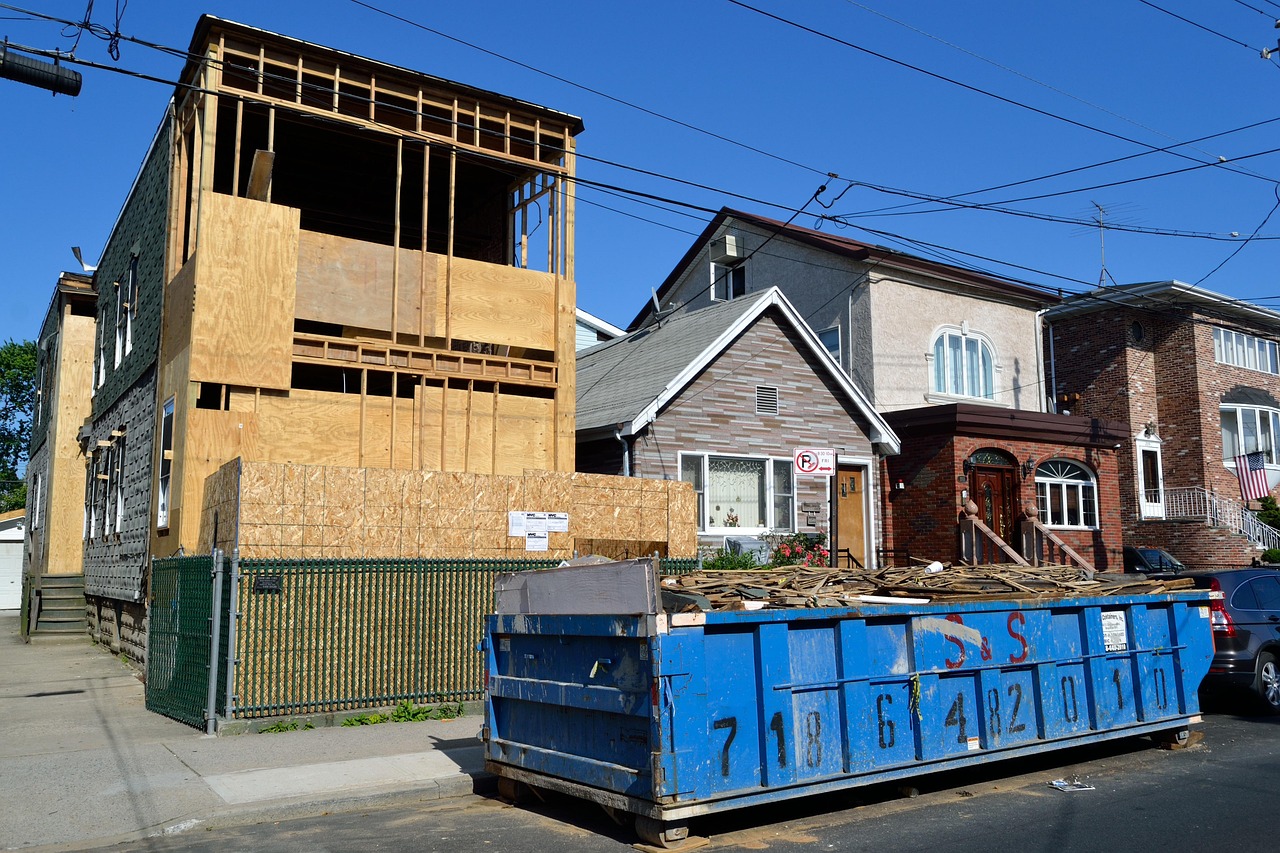
Whether you are staring down a mountain of old drywall, clearing out a decade’s worth of basement memories, or managing a chaotic commercial construction site, one universal truth binds us all together: junk takes up a lot of room.
When your regular curb collection bin looks at your pile of debris and laughs, it is time to look into a professional disposal bin rental.
Choosing the right dumpster bin rental sounds simple on paper. You call, a truck drops off a massive metal box, you fill it with junk, and they drive it away to a legal landfill disposal site. But pick a size too small, and you are stuck paying for a second delivery. Pick a size too big, and you are paying to haul empty Canadian air.
Let’s break down the logic, the math, and the physical reality of choosing the right roll off bin rental so you save money, protect your driveway, and keep your sanity intact.
The True Cost of Waste: Beyond the Metal Box
When homeowners and contractors look for an affordable disposal bin rental, they often look exclusively at the base price. But true cost-efficiency comes down to weight limits, rental durations, and transport fees.
According to Statistics Canada, the average Canadian generates more than 700 kilograms of waste annually, a number that spikes dramatically during a home renovation dumpster project or demolition waste bin cleanup. If your rental provider hits you with massive fuel surcharges or microscopic weight limits, that "cheap" quote gets expensive fast.
A transparent pricing model eliminates this guessing game. For instance, All Stars Disposal Inc structures their local dumpster rental service with flat-rate clarity: a base rate of $365 plus tax for standard mix loads across all sizes. This straightforward package includes a 7-day rental period and a generous 1 ton (1,000 kg) weight allowance, ensuring no surprise billing at the scale.
If your project runs long or goes heavy, the overage math remains completely transparent:
Extra Time: $15 per additional day
Extra Weight: $120 per additional ton (calculated at 12 cents per kilogram)
Sizing it Up: The Real Math Behind Bins
Let's look at the physical options available for your project. A common rookie mistake is misjudging how volume translates to actual physical dimensions.
Every roll off bin rental from the All Stars Disposal Inc fleet shares a standard base length of 12 feet. This design choice is intentional; it allows the bins to fit cleanly onto a standard residential driveway without blocking sidewalks or tearing up lawns. The volume changes based on how wide and high the steel walls go.
1. The 4-Yard Dumpster
Do not let its shorter walls fool you. The 4 yard dumpster is the unsung hero of the debris bin rental world, specifically designed to handle dense, heavy materials that would structurally break larger bins or overload hydraulic collection trucks.
Best Structural Uses
Pure Aggregates: If you are digging up a patio, tearing out a concrete walkway, or scraping away old asphalt, this is your bin.
The Weight Logic: A single cubic yard of dry soil or concrete weighs roughly 2,000 to 3,000 pounds (around 1 to 1.5 tons). If you filled a massive 20-yard bin with dirt, the truck would physically not be able to lift it off your driveway.
Specialty Pricing: Because heavy aggregate processing requires specific landfill handling, standard 4-yard clean soil or all-concrete loads run between $395 and $410 plus tax.
2. The 10-Yard Bin
If you are tackling a residential moving cleanup bin project, a garage cleanout dumpster session, or a standard kitchen or bathroom refresh, the 10-yard junk bin rental is usually the sweet spot.
Best Structural Uses
Household Waste Bin Projects: It easily swallows broken furniture, old rugs, outdated electronics, and plastic toys.
Spring Cleaning Bin Rental: Perfect for purging property clutter before putting a home on the real estate market.
The Scale: To help visualize its capacity, a 10-yard waste disposal bin holds roughly the equivalent of 4 to 5 standard pickup truck beds full of loose materials.
3. The 14-Yard Bin
When minor updates turn into a major renovation waste bin project, you need to step up your capacity. The 14 yard bin provides taller, wider walls to accommodate long building material disposal items, awkward angles, and high-volume trash.
Best Structural Uses
Roofing Jobs: Stripping old asphalt shingles creates immense weight and volume. A 14-yard construction bin rental handles medium-to-large residential roofing projects beautifully.
Multi-Room Deconstruction: Ideal when dropping drywall, framing studs, old cabinetry, and flooring materials all at once.
Demolition Waste Bin Safety: The 4.5-foot walls keep debris safely contained on-site, preventing windy days from scattering light construction materials across your neighborhood.
4. The 20-Yard Bin
For massive undertakings, commercial property cleanouts, or serious structural work, the 20 yard bin stands alone.
Best Structural Uses
Estate Liquidations & Moving Cleanup: When an entire household worth of furniture, appliances, and hoarded goods needs to disappear at once.
Commercial & Industrial Work: Large shop clearings, commercial retail refits, or major estate property cleanups.
Space Optimization: Because it features 5.5-foot walls, it accommodates exceptionally bulky, un-smashable items like old couches, major appliances, and industrial packaging easily..
Essential Rules for Driveway Setup
Before your bin delivery truck arrives, take five minutes to prep the area. This prevents property damage and ensures a smooth drop-off:
Check for Overhead Hazards: Ensure there are no low-hanging tree branches, telephone lines, or low eavestroughs directly above your drop location. The truck's roll-off hoists lift very high into the air during delivery.
Clear the Runway: A standard delivery truck needs roughly 60 feet of straight-line clearance to back into place and roll the container down smoothly. Move your personal vehicles out of the driveway beforehand.
Protect the Surface: While professional companies use specialized, driveway-friendly roller wheels, placing a couple of sturdy plywood boards down for the bin to rest on is an excellent way to shield asphalt or interlocking stone from heavy load indentation.
What Can Safely Go Inside? Navigating Landfill Rules
To keep your cleanup waste management safe, eco-friendly, and legally compliant, you must respect regional landfill restrictions. Mixing prohibited items into your dumpster results in environmental fines and immediate sorting rejections at the scale house.
Approved Materials
Standard Structural Items: Wood, drywall, metal studs, flooring, siding, and roofing shingles.
General Junk: Furniture, plastics, textiles, non-hazardous household waste, and yard debris.
Prohibited Environmental Hazards
Household paint canisters, liquid solvents, chemical cleaners, automotive batteries, propane tanks, motor oil, biological or medical waste, and raw asbestos insulation.
Frequently Asked Questions
How long can I keep my disposal bin rental?
The standard flat-rate package across all bin options includes a 7-day rental period. If your project faces delays or requires a slower pace, you can easily extend your rental timeline for a low fee of $15 per day.
Can I mix heavy concrete or dirt with regular household garbage?
No. Clean concrete, brick, asphalt, and soil must be placed exclusively inside a dedicated 4-yard bin to remain within legal road weight limits and to qualify for specific aggregate recycling rates. Mixed waste streams must go into larger bins and avoid heavy aggregate overloading.
Do I need a city permit for a dumpster bin rental?
If the container sits entirely on your private property—such as your personal driveway or a commercial parking lot—no municipal permit is required. However, if the bin needs to sit on a public street, sidewalk, or city boulevard in areas like Mississauga, Toronto, or Hamilton, you must apply for a temporary street occupation permit from your local city hall before delivery.
What happens if it rains or snows while my bin is delivered?
Water, snow, and ice add physical weight to porous materials like wood, drywall, and old carpets. Because landfill disposal fees are calculated strictly by weight, it is highly recommended to throw a cheap plastic tarp over your open bin during severe downpours to keep your load dry and avoid unnecessary weight fees at pickup.